

 English
 中文简体
中文简体 Español
Contenido
Sales de la ducha, te miras en el espejo y ves el mismo viejo problema: la nuca se levanta, la coronilla está plana y los mechones alrededor de las orejas se rizan en tres direcciones diferentes. Para cualquier persona con un duendecillo, un corte corto o un bob corto, un cepillo secador suele ser la solución más directa. Combina aire, calor y cerdas para peinar en una sola pasada, por lo que no es necesario hacer malabarismos con una boquilla y un cepillo redondo con las dos manos. El mejor cepillo secador para pelo corto no es necesariamente el modelo más caro ni el más potente. Es el que se adapta a la geometría del pelo corto: un cilindro más pequeño, calor estable y agarre suficiente para controlar la capa más corta. Basada en nuestra experiencia como fabricante de secadores de pelo y utensilios de peinado desde 2010, esta guía explica qué características realmente marcan la diferencia y qué afirmaciones de marketing puedes ignorar con seguridad.
Por qué el cabello corto necesita una fórmula diferente
El pelo corto se seca mucho más rápido que el pelo largo, pero tiene muy poco peso para mantener su forma. Es por eso que el mismo cepillo secador que funciona con ondas hasta los hombros puede aplanar una sacudida o quemar la línea del cabello. La diferencia clave es el diámetro del cañón. Un cañón de entre 20 y 30 milímetros se adapta a la curva de la cabeza y llega a las capas cortas de la nuca y las sienes. Los cilindros más anchos, a menudo de 40 a 50 milímetros, simplemente no pueden agarrar suficiente cabello para crear tensión, y el resultado es un mechón doblado en lugar de una línea limpia.
La segunda prioridad es la consistencia de la temperatura. Con el cabello corto, el calor llega al cuero cabelludo en unos segundos y un barril calentado de manera desigual puede dejar puntos calientes que dañan la cutícula. Busque barriles recubiertos de cerámica, titanio o turmalina con al menos dos niveles de calor y un tiro frío. El siguiente cuadro muestra cómo los estilistas suelen clasificar estas prioridades al elegir un secador de cepillo para atajos.
Las especificaciones que más importan
Si comienza a leer listados de productos, verá afirmaciones como calidad profesional y rendimiento de salón en todas partes. El número que importa es el diámetro del cañón. Para cabello corto, lo más práctico es un cilindro de 20 a 30 mm. Un cepillo de 20mm te brinda un control estricto alrededor de las orejas y el escote, mientras que un cepillo de 30 mm crea una forma más suave y completa para bobs y crop. Cualquier cosa de 40mm o más tendrá dificultades para mantener el cabello bajo tensión y el resultado del peinado será desigual.
La siguiente tabla muestra los puntos de datos que tratamos como base al evaluar un cepillo secador para cabello corto.
| Característica | Rango ideal | Por qué es importante |
|---|---|---|
| Diámetro del barril | 20 a 30 milímetros | Se adapta a la nuca, las sienes y la línea del cabello sin sobrecalentar ningún punto. |
| Ajustes de calor | 2 a 3 niveles más un tiro genial | Le permite cambiar entre un presecado suave y un ajuste de forma firme. |
| velocidad del aire | Alto pero enfocado, no solo alto vataje | Elimina la humedad rápidamente sin soplar los mechones cortos en todas direcciones. |
| Recubrimiento de barril | Cerámica o turmalina | Distribuye el calor uniformemente y reduce el frizz en la cutícula. |
| Peso | Menos de 400 gramos | Reduce la fatiga de la muñeca durante las repetidas pasadas que necesita el pelo corto. |
| Longitud del cable | 2 mo más | Mantiene el pincel cerca del espejo mientras compruebas la forma. |
La gestión del calor es igualmente importante. Un secador de cepillo que calienta de manera desigual puede hacer que la capa más corta quede crujiente y quebradiza. El siguiente gráfico de líneas compara el tiempo de secado en cuatro configuraciones de calor para que pueda ver cuánta velocidad realmente gana al pasar a la temperatura más alta.
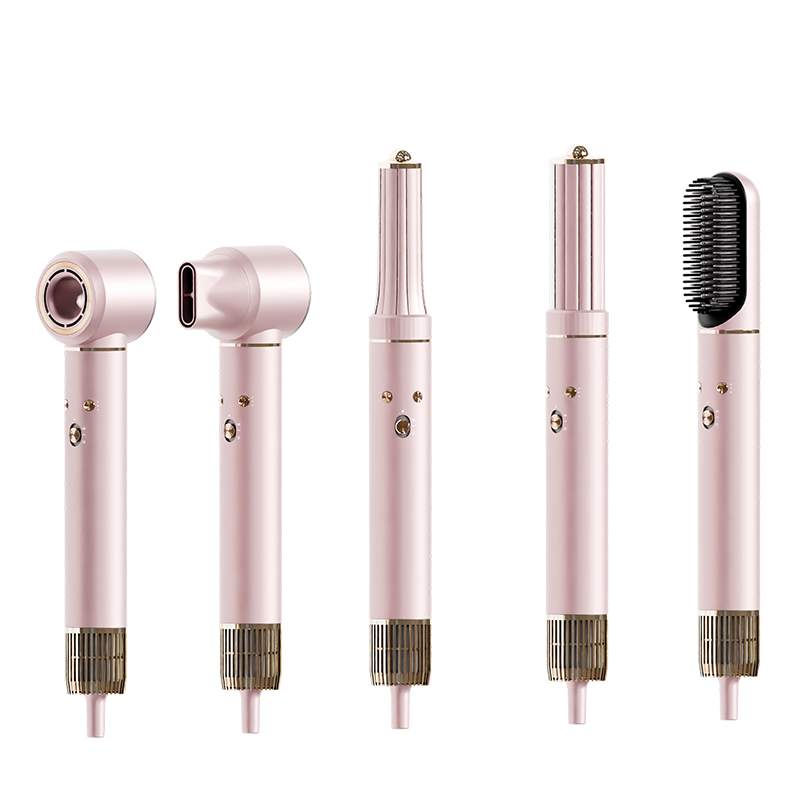
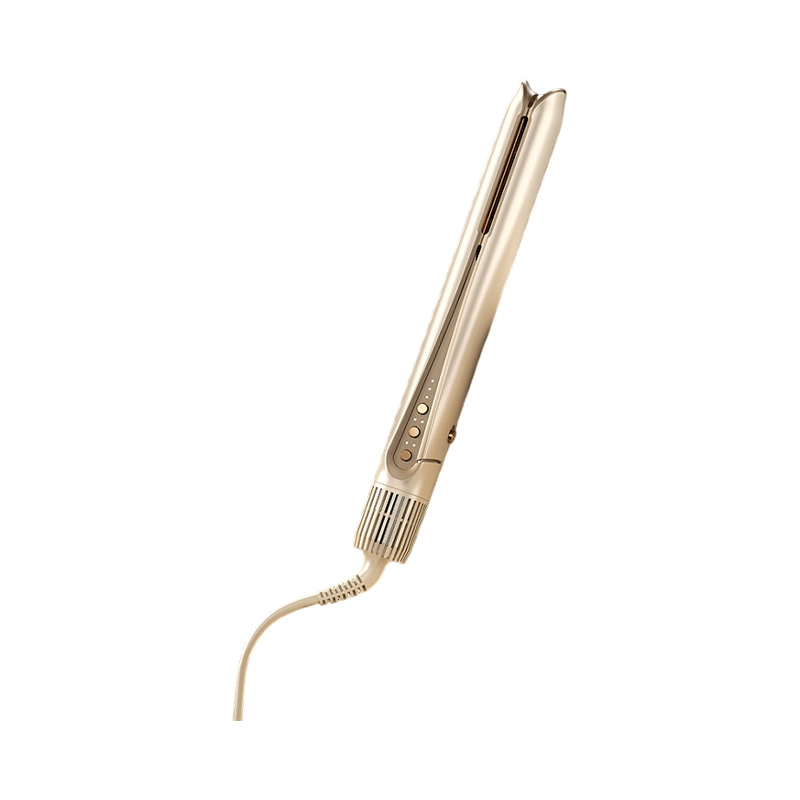
Una forma práctica de ampliar la gama de una sola herramienta es elegir un modelo con múltiples cabezales o accesorios. Un kit 5 en 1 te permite cambiar entre un cepillo redondo estrecho para la línea del cabello y un cilindro más ancho para la coronilla, lo cual es especialmente útil para atajos asimétricos.
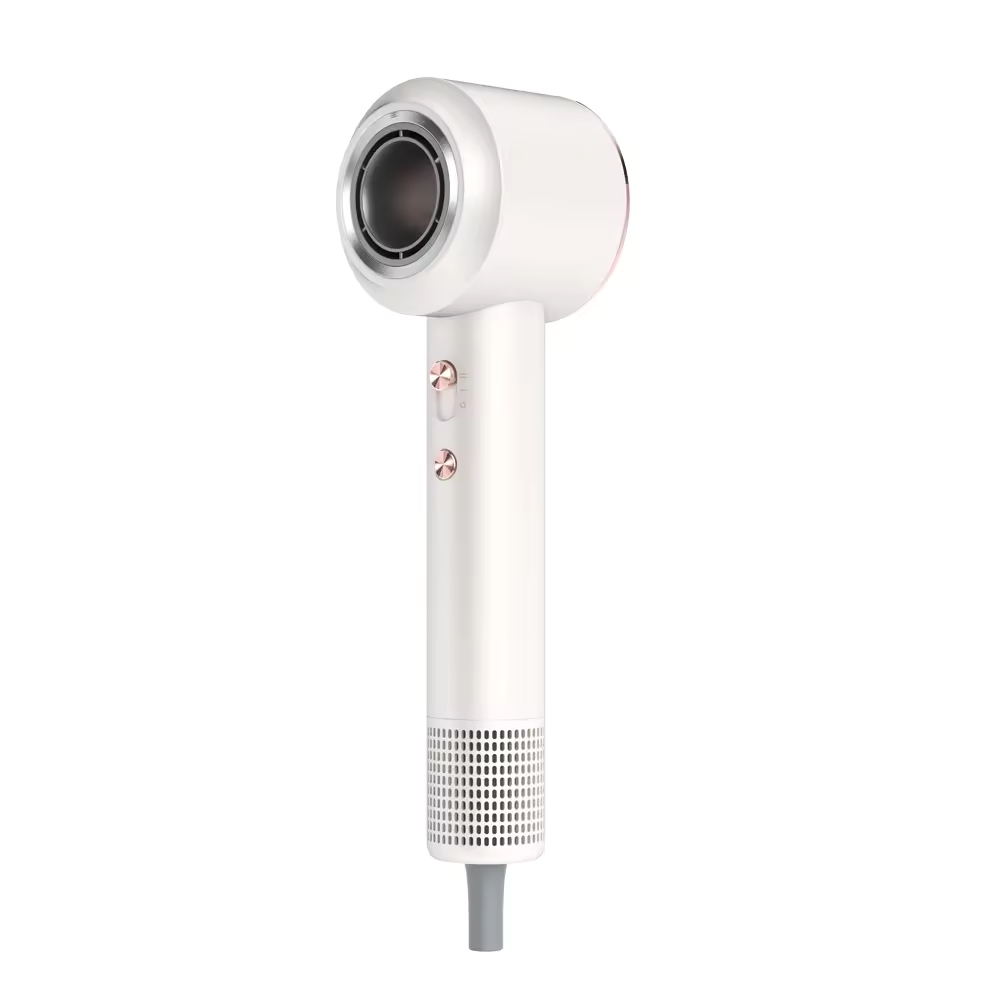
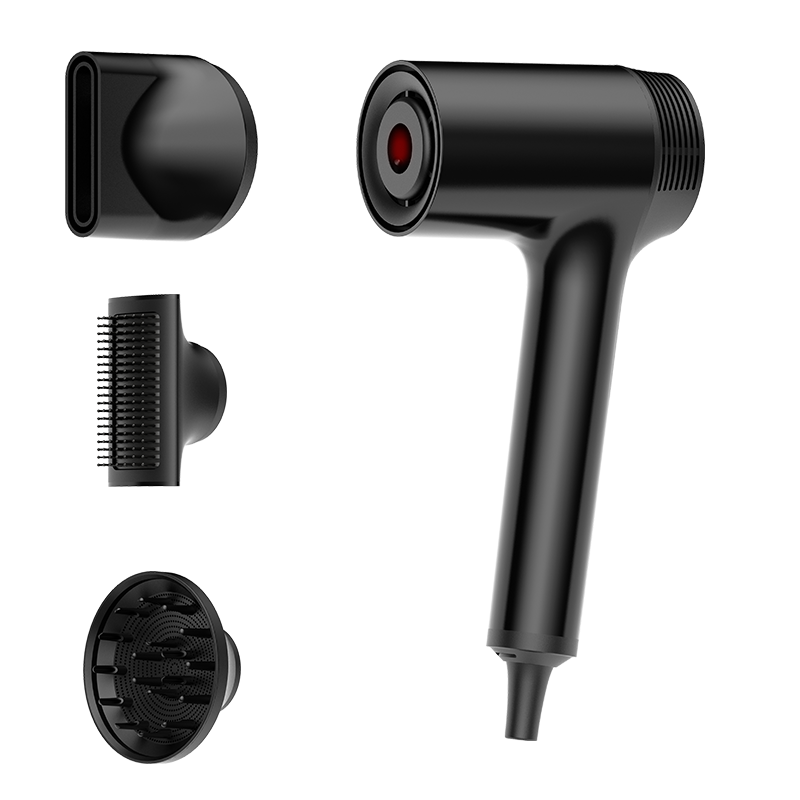
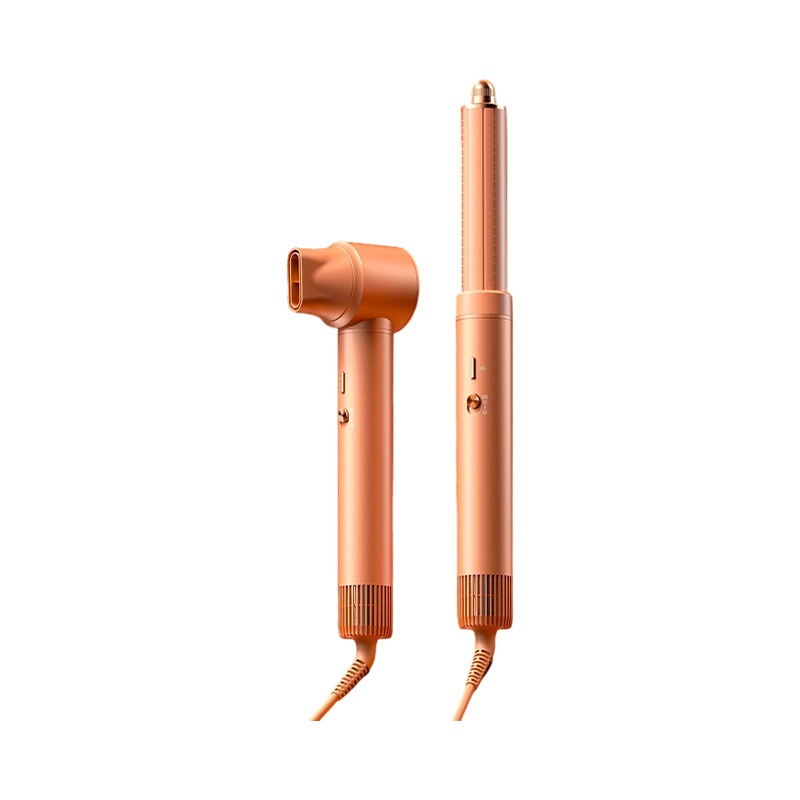 Secador de peinado 5 en 1 con múltiples cabezales de cepillo Esta secadora combina un motor de alta velocidad y una salida de iones negativos para un secado más rápido y control del frizz. Sus cabezales de cepillo intercambiables permiten peinar fácilmente el cabello corto, con ajustes de temperatura para diversas necesidades. Ver producto →
 Comparado con un secador tradicional y un cepillo redondo
La rutina de peinado clásica para cabello corto utiliza un secador de mano con una boquilla concentradora y un cepillo redondo separado. Funciona, pero se necesitan dos manos y cierta habilidad. Un cepillo para secador de pelo combina esos dos pasos en una sola herramienta. Cepillas la sección, el aire caliente se mueve a través de las cerdas y la forma se fija a medida que levantas el cabello desde la raíz.
Esta comparación se encuentra en el centro: velocidad de secado versus control. Un secador de alta velocidad dedicado puede impulsar más aire, especialmente si el motor funciona a más RPM. Pero para un bob o un duendecillo, el tiempo de secado ya es corto, por lo que el control que se obtiene con un secador de cepillo es más importante que unos pocos metros cúbicos adicionales de flujo de aire. Si desea comprender por qué la velocidad del motor cambia esta compensación, esta guía para secadoras de alta velocidad versus secadoras regulares Explica cómo interactúan el motor y el calentador. Y si te preguntas si un moldeador realmente puede cubrir todas tus rutinas capilares, esta discusión sobre si un solo secador de pelo puede satisfacer todas tus necesidades de peinado es una lectura útil.
El siguiente gráfico de radar muestra cómo se comparan los dos enfoques en el uso práctico, no sólo en potencia.
Combinar el cepillo con la textura del cabello corto
El cabello corto, fino y fino tiene un volumen bajo, por lo que un barril pequeño de 20 a 25 mm brinda el control más denso. El cabello áspero mantiene su forma por más tiempo, pero crea más resistencia; un cilindro de 30 a 35 mm con lecho de cerdas firmes hace que la pasada de alisado sea más cómoda. El cabello corto y rizado se beneficia de un cilindro redondeado y una temperatura más baja, porque el objetivo es estirar el patrón de rizo en lugar de presionarlo para que quede plano. El cabello corto teñido o tratado químicamente es más vulnerable en las puntas, por lo que la temperatura debe mantenerse en el rango medio y se debe utilizar el toque frío para la pasada final.
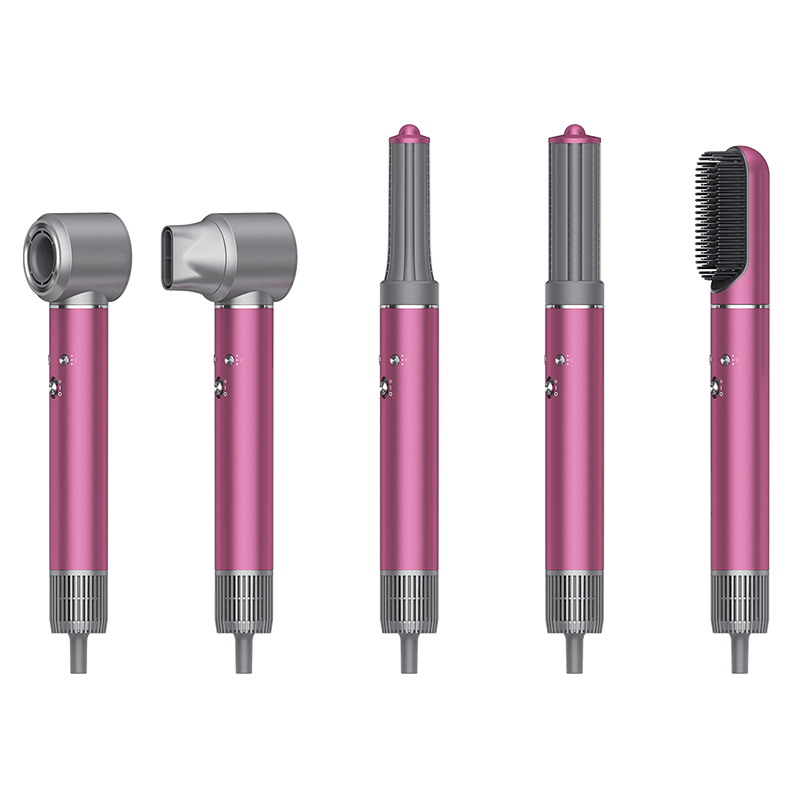
Un kit con más accesorios te brinda flexibilidad sin tener que comprar una nueva herramienta cuando cambia la textura de tu cabello. Un secador multifuncional 18 en 1 puede parecer excesivo, pero los cabezales adicionales cubren las zonas impares alrededor de las orejas, la coronilla y el flequillo. Las barras agrupadas a continuación reflejan los niveles de satisfacción típicos que hemos observado con diferentes tamaños de barriles para cabello corto fino y grueso.
Si necesita ese tipo de cobertura para diferentes largos y cambios de textura, un secador multifuncional con una amplia variedad de cabezales es una inversión que le permitirá ahorrar dinero con el tiempo.
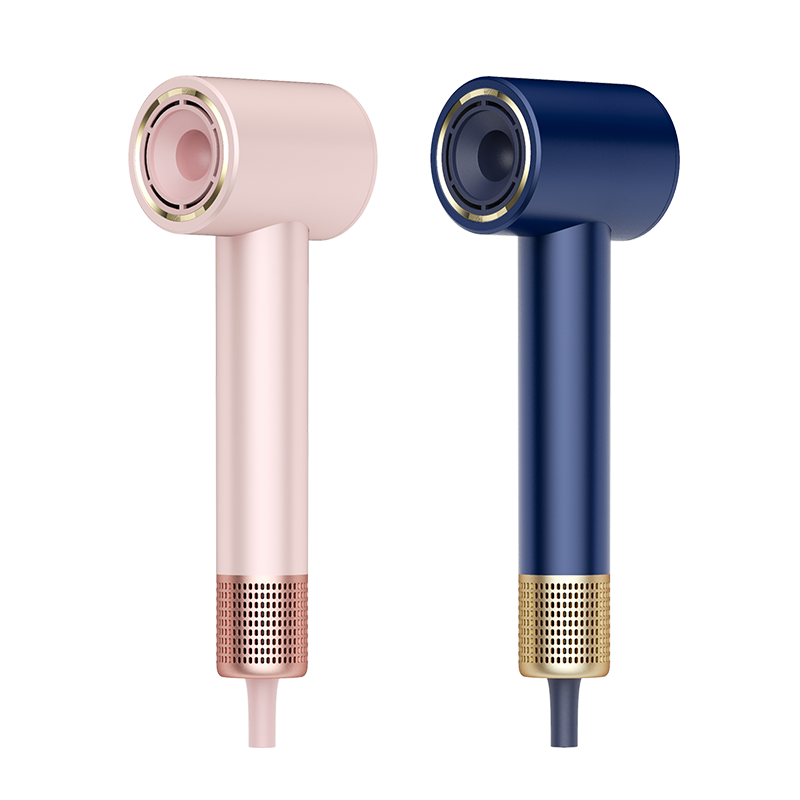
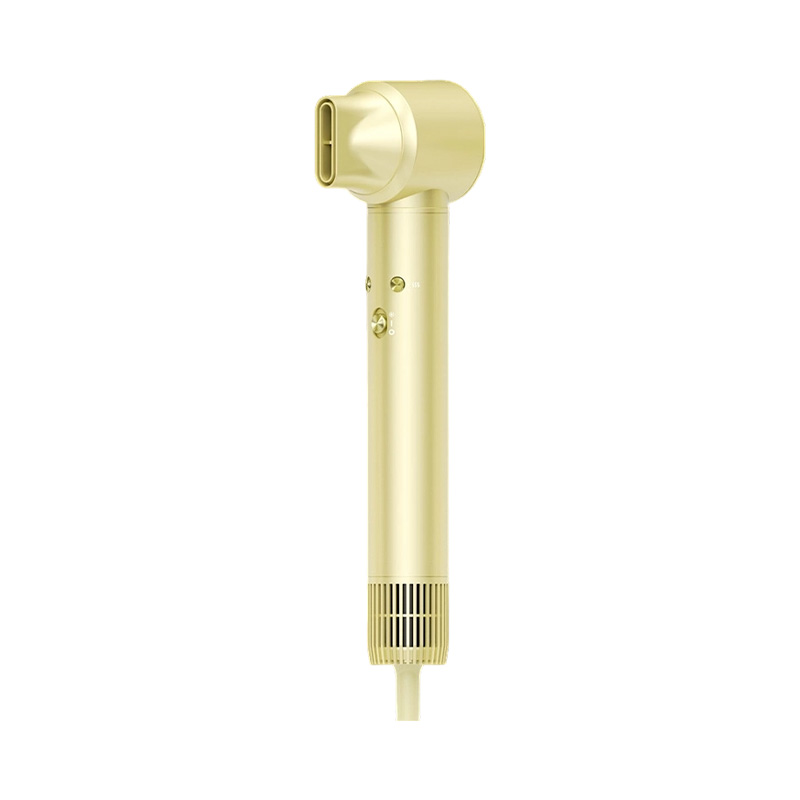
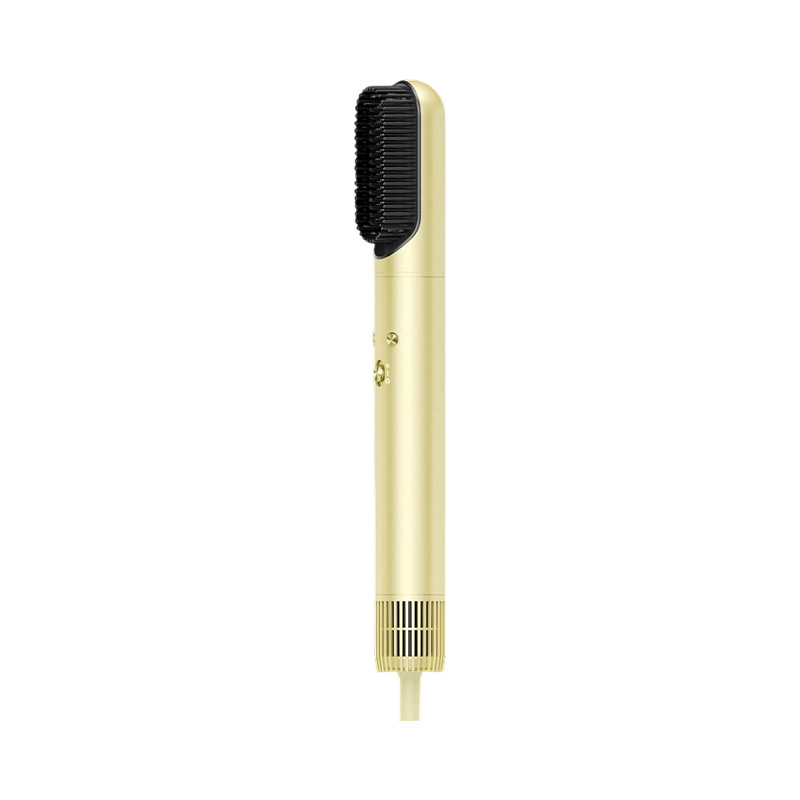 Secador de pelo multifuncional 18 en 1 con numerosos accesorios Con 18 accesorios intercambiables, este secador cubre secado, peinado, volumen y alisado para diferentes longitudes y texturas de cabello. Su diseño compacto y desmontable ahorra espacio de almacenamiento y se adapta a viajes y uso doméstico. Ver producto →
 Cómo usar un cepillo secador en cabello corto
Tener el secador de cepillo adecuado solo ayuda si lo usas de manera que se adapte al cabello corto. Los pasos a continuación son una rutina confiable.
- Comience con el cabello que esté aproximadamente un 70 por ciento seco. Un secador de cepillo no está diseñado para convertir el cabello empapado en un peinado sin mucho daño por calor.
- Divide el cabello en pequeñas secciones en la parte inferior de la cabeza. Trabaja hacia arriba para que las capas terminadas mantengan su dirección.
- Sostenga el cepillo apretado contra la raíz durante 2 a 3 segundos para darle volumen, luego deslícelo lentamente hacia las puntas.
- Usa el trago frío en cada sección después de darle forma. Esto fija el cabello en su lugar y evita que se caiga durante el día.
- Finaliza con una laca ligera o una gota de aceite de peinado en las palmas, nunca directamente sobre el cuero cabelludo.
Los errores comunes que vemos en el taller son fáciles de evitar. No pongas el secador de cepillos a la temperatura más alta durante varios minutos. No tires de una sección más de dos veces, porque el cabello corto pierde humedad rápidamente. Y no ignores el genial tiro; es la diferencia entre una forma que se mantiene y una forma que desaparece a la hora del almuerzo.
La conclusión
El mejor cepillo secador para cabello corto equilibra cuatro cosas: diámetro del cilindro, control de temperatura, flujo de aire y peso. Comience con un cañón de 20 a 30 mm, mantenga realistas los ajustes de calor y elija un modelo que se sienta cómodo en su mano. Si su objetivo es reducir el tiempo de peinado y evitar el baile de dos herramientas, un cepillo secador es la mejor inversión para un atajo.
Para los compradores que quieran un punto de partida específico, recomendamos buscar un secador multifunción con cabezales separados para la línea del cabello y la coronilla. Un modelo con salida de iones negativos y múltiples configuraciones de velocidad es una elección final sólida para el uso diario.
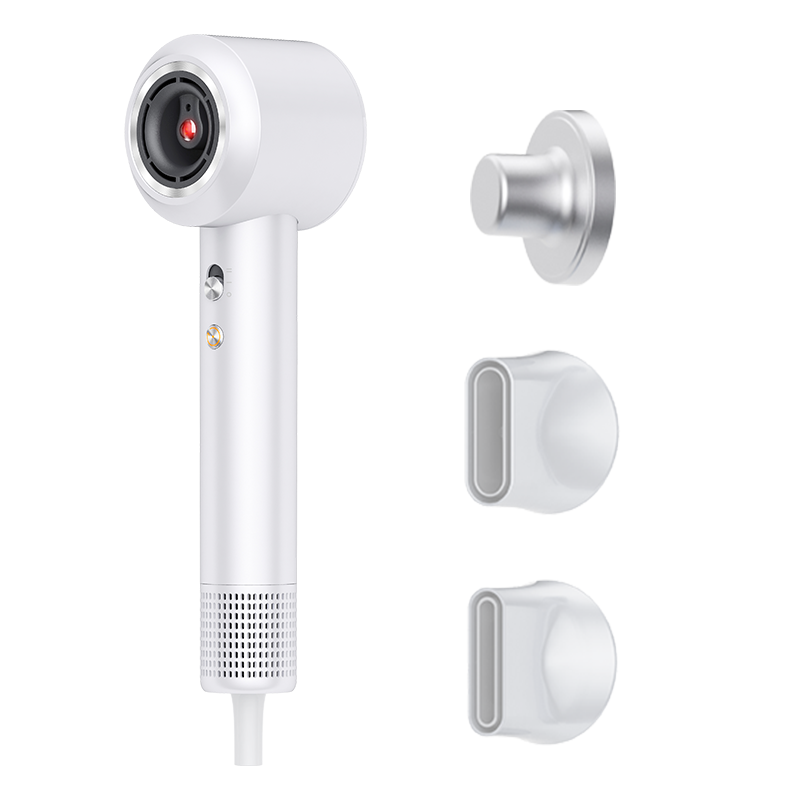
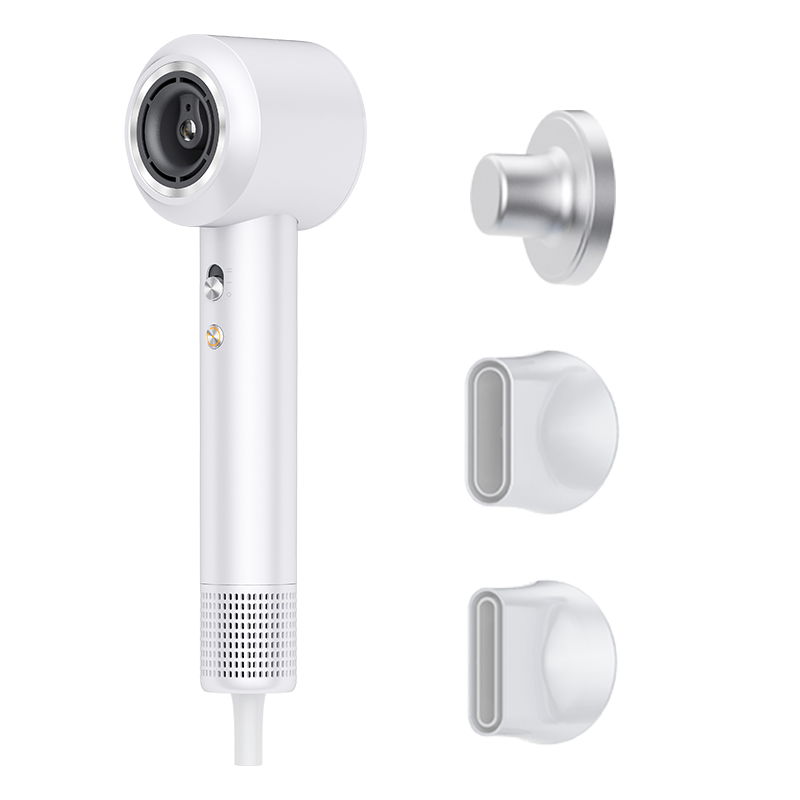
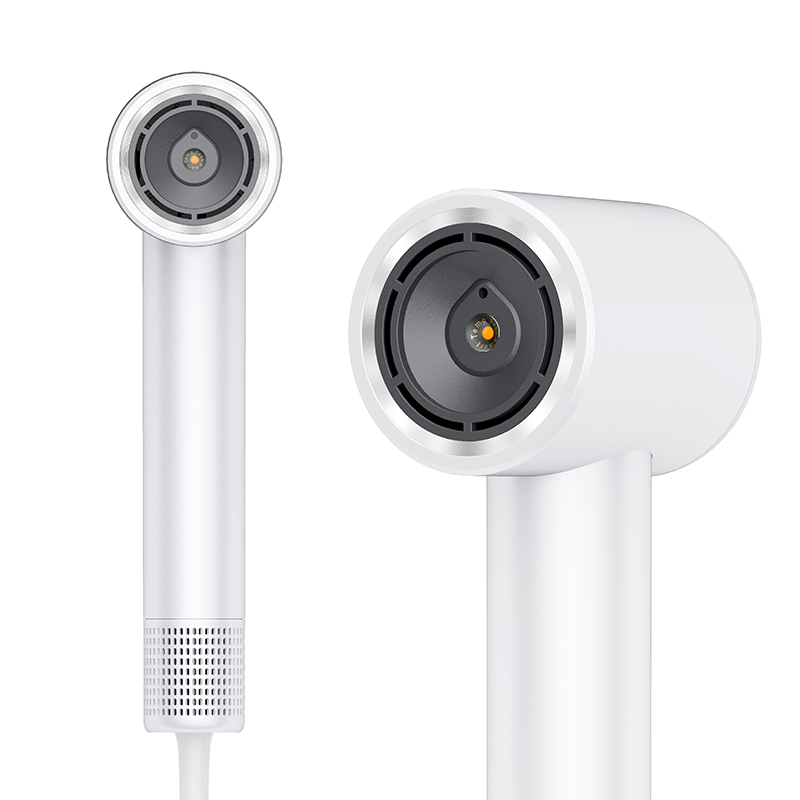
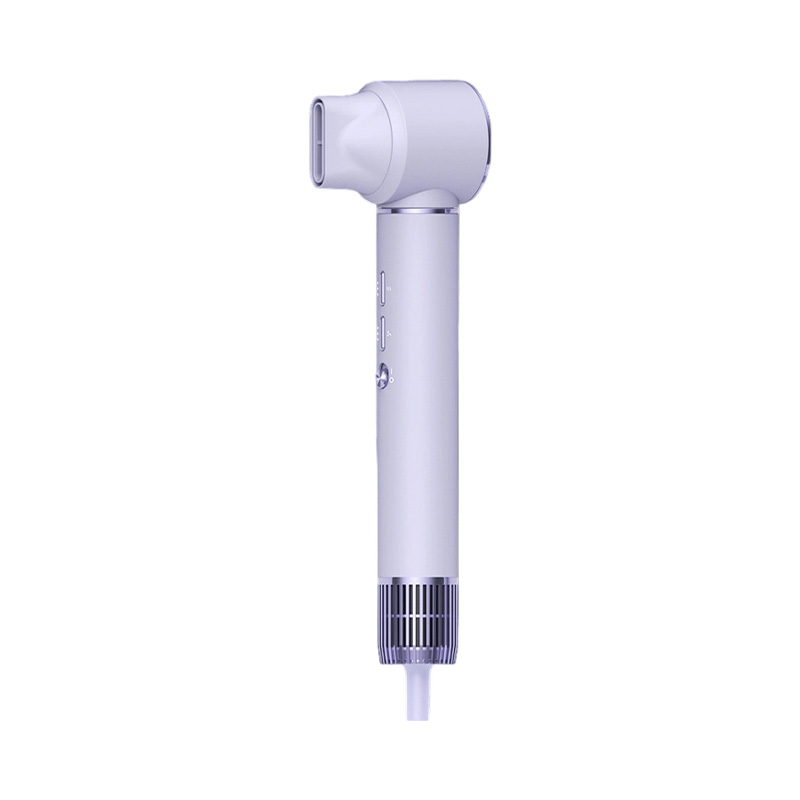
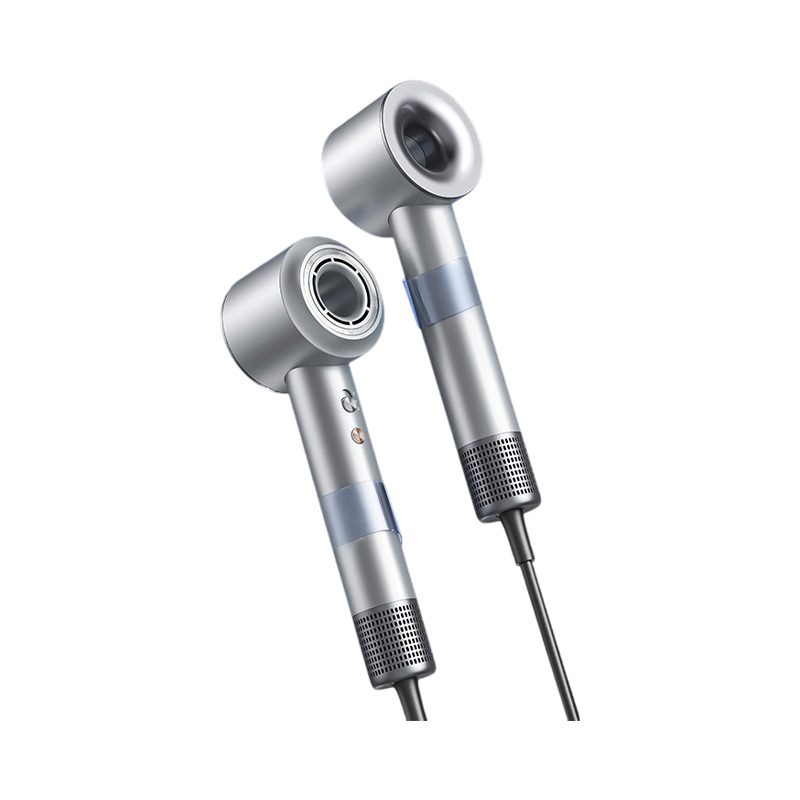 Secador de pelo multifuncional de alta velocidad con flujo de aire ajustable Esta secadora de alta velocidad ofrece flujo de aire ajustable y salida de iones negativos para reducir el frizz y al mismo tiempo retener la humedad. Su filtro extraíble simplifica la limpieza, lo que lo convierte en una opción confiable para el peinado diario en el hogar o en el salón. Ver producto →
 No hay una sola herramienta que funcione para todos los cabellos. Pero con el tamaño de barril adecuado y una configuración de calor en la que puedas confiar, un cepillo secador hará que un bob, un duendecillo o un cultivo sea más fácil de manejar cada mañana.
 Anterior

 +86-574-63982198
 +86-574-63982197
 No. 933, Lingxu 2nd Road, Zona de Desarrollo Económico de Binhai, Cixi, Zhejiang, China.