

 English
 中文简体
中文简体 Español
Contenido
- 1 ¿Qué hace que un secador de pelo sea adecuado para reventones estilo salón?
- 2 Flujo de aire y calor: las dos métricas que importan
- 3 Tecnología de motor: sin escobillas de alta velocidad frente a convencional
- 4 Accesorios y boquillas: la caja de herramientas de soplado
- 5 Estabilidad térmica: el factor oculto en la longevidad de la explosión
- 6 Comparación de funciones: secadora inteligente estándar versus de alta velocidad
- 7 Especificaciones clave de un vistazo
- 8 Lista de verificación de compra para su próximo secador de pelo
- 9 La conclusión
Quince minutos después de una explosión, te duele el brazo, las secciones medias todavía se sienten húmedas y el calor de la boquilla parece oscilar entre demasiado caliente y apenas tibio. Ese es el momento en el que te das cuenta de que el secador, y no el cepillo, determina el resultado final. Un soplado de calidad necesita una fuerte velocidad del aire para levantar la raíz, calor estable para alisar la cutícula y una boquilla estrecha para trabajar sección por sección. Cuando falta alguno de estos, el acabado tarda más, se desvanece antes y expone el cabello a picos de temperatura innecesarios. Esta guía explica las especificaciones que separan una secadora promedio de una verdadera máquina sopladora, y cubre la tecnología del motor, el comportamiento de calentamiento y el diseño de los accesorios en términos prácticos.
¿Qué hace que un secador de pelo sea adecuado para reventones estilo salón?
No todos los secadores de pelo pueden producir un resultado de calidad, incluso cuando el cabello se ha preparado cuidadosamente. La diferencia radica en cómo la secadora genera el flujo de aire, con qué precisión regula la temperatura y si los accesorios le permiten controlar la tensión y la dirección. La potencia por sí sola no cuenta la historia completa. Una secadora de 2000 vatios con un ventilador débil seguirá secando lentamente, mientras que una secadora de alta velocidad bien diseñada puede superarla con un menor consumo de energía. La conclusión práctica es simple: priorice la velocidad del aire, la estabilidad térmica y el diseño de la boquilla sobre la potencia bruta. Estos tres factores determinan qué tan rápido se seca el cabello, qué tan suave se vuelve la superficie y cuánto dura el volumen.
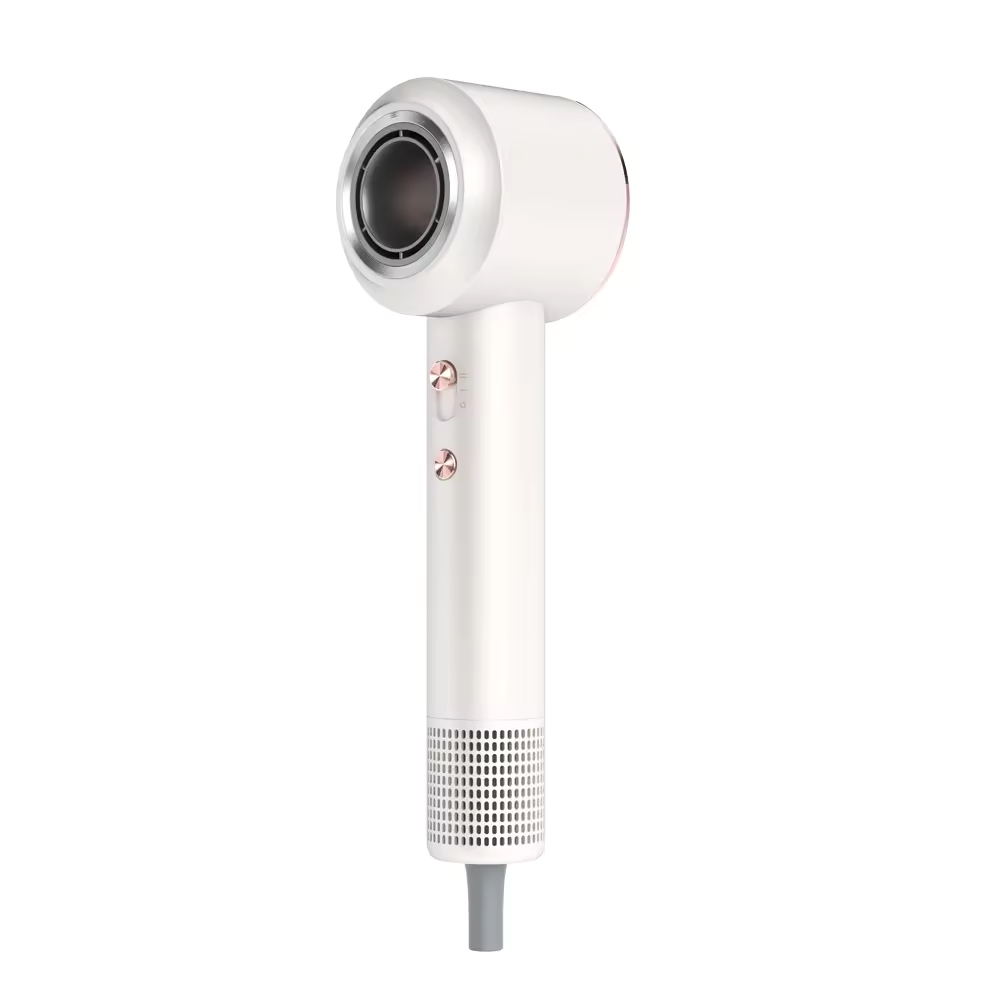
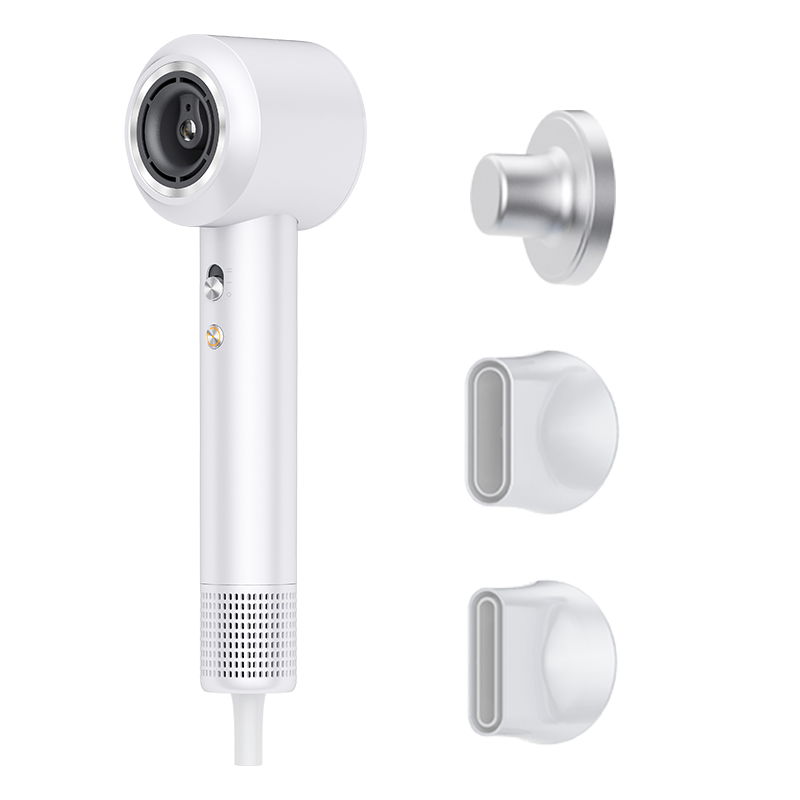
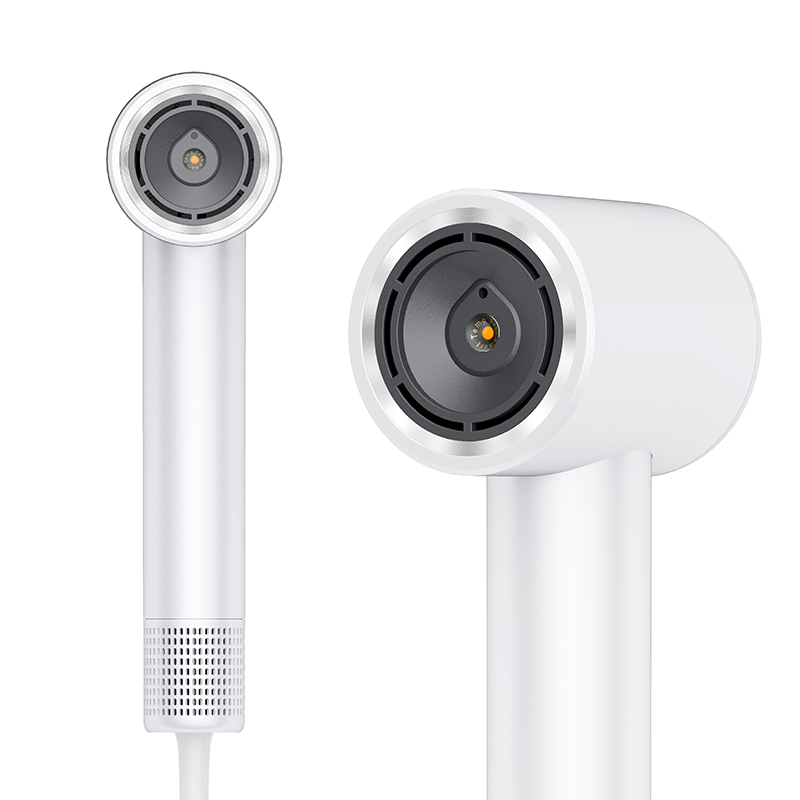
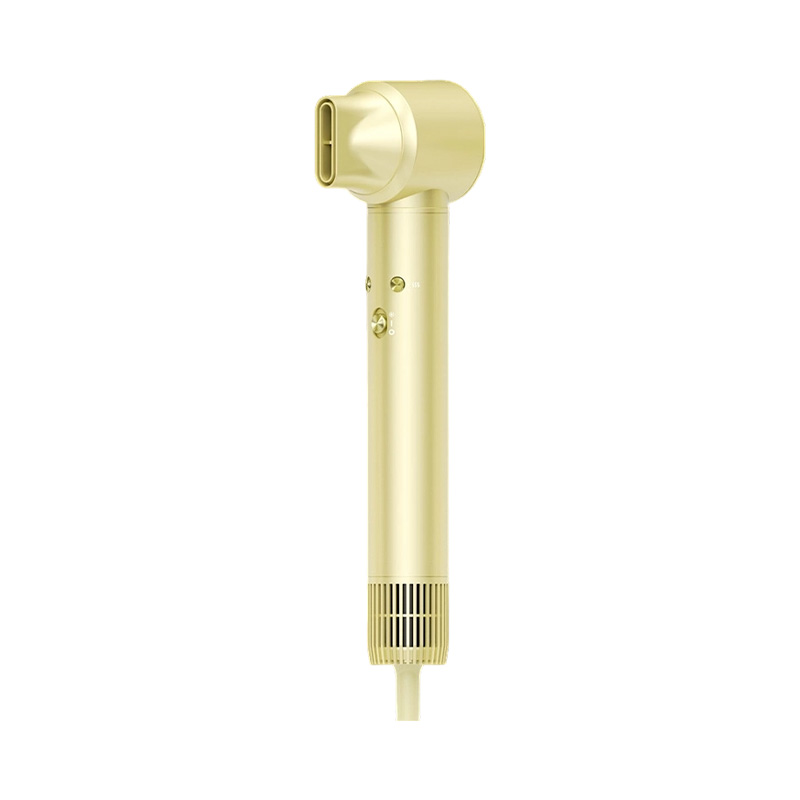
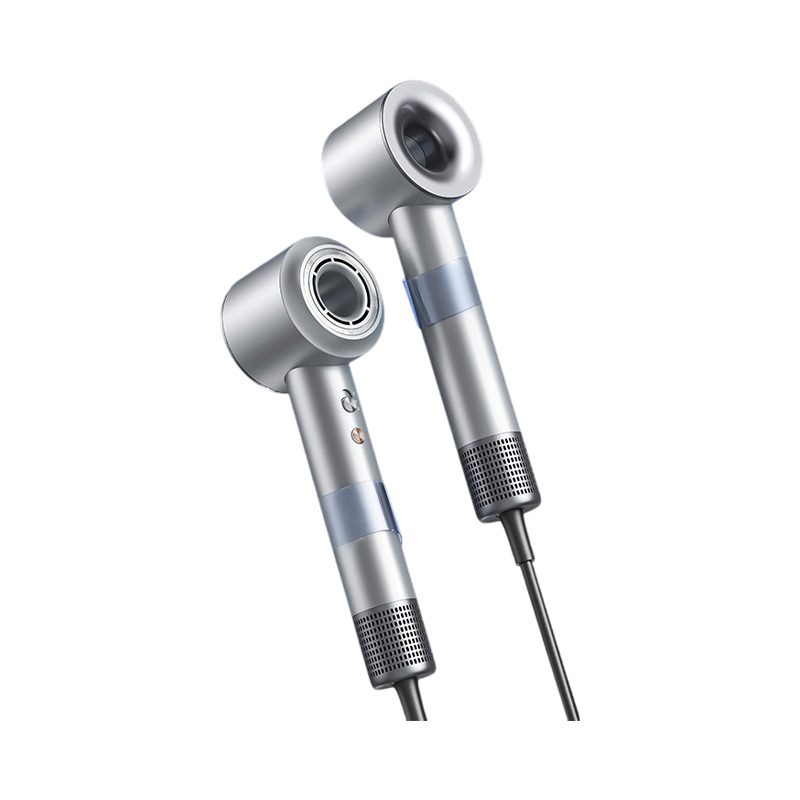 Secador de pelo multifuncional de alta velocidad KH-801B con iones negativos Esta secadora de alta velocidad combina un flujo de aire rápido con calor ajustable y salida de iones negativos, lo que ayuda a reducir el frizz mientras retiene la humedad. Adecuado para uso doméstico y en salones de belleza, se ajusta al enfoque del artículo en el flujo de aire y la estabilidad del calor. Ver producto →
 Flujo de aire y calor: las dos métricas que importan
El flujo de aire es la primera métrica a examinar. Generalmente se describe como la velocidad a la que el aire sale de la boquilla y determina la rapidez con la que se elimina la humedad del cabello. El calor es igualmente importante, pero los mejores secadores no se calientan simplemente; funcionan a una temperatura constante para que la cutícula se mantenga plana y el peinado pueda fijarse. Cuando el flujo de aire es fuerte, puedes usar una temperatura más baja, lo que protege el cabello y al mismo tiempo termina rápidamente. Cuando el calor fluctúa, la cutícula se levanta en algunos lugares, dejando el cabello opaco o rizado al final del día. Por lo tanto, se prefieren las secadoras con controles independientes de velocidad y calor para las explosiones, porque le permiten seleccionar la combinación correcta para cada sección.
Aquí es donde los secadores de alta velocidad realmente superan a los modelos convencionales en la práctica: mueven más aire a mayor velocidad, por lo que la temperatura puede permanecer moderada mientras el tiempo de secado disminuye. Si está sopesando las opciones de motor, nuestro análisis de si las secadoras de alta velocidad son realmente mejores que los modelos normales recorre en detalle el flujo de aire y las diferencias de calefacción.
Tiempo de secado por soplado de un vistazo
El siguiente gráfico de barras horizontales compara los tiempos típicos de secado con secador para cabello hasta los hombros en cuatro plataformas de secadora. Una secadora convencional de 1800 vatios tarda unos 12 minutosutos en presecar y peinar el mismo cabezal que un modelo sin escobillas de alta velocidad termina en aproximadamente 7 minutosutos. Las opciones intermedias, una secadora convencional de 2000 vatios y una secadora compacta con motor de CC, se encuentran entre los dos extremos. Observe que la diferencia no es proporcional a la potencia; el modelo de alta velocidad utiliza menos energía en muchos casos pero produce el menor tiempo. Esto sucede porque los motores sin escobillas mueven un mayor volumen de aire a mayor velocidad, eliminando la humedad sin depender del calor extremo. Para cualquiera que haga reventones a diario, ahorrar 5 minutos por sesión también reduce la exposición acumulativa al calor y la fatiga del brazo.
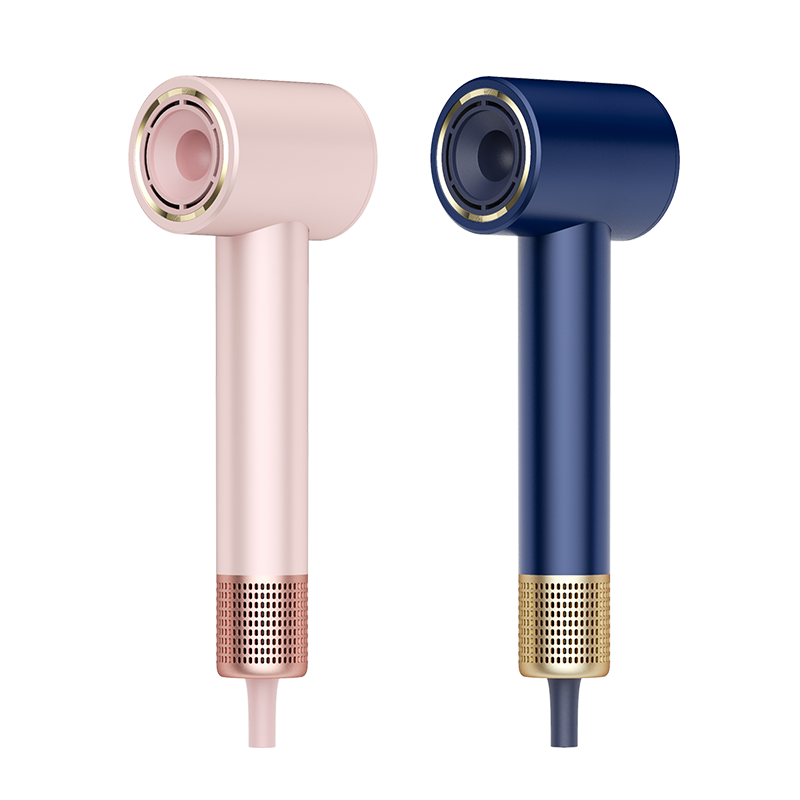
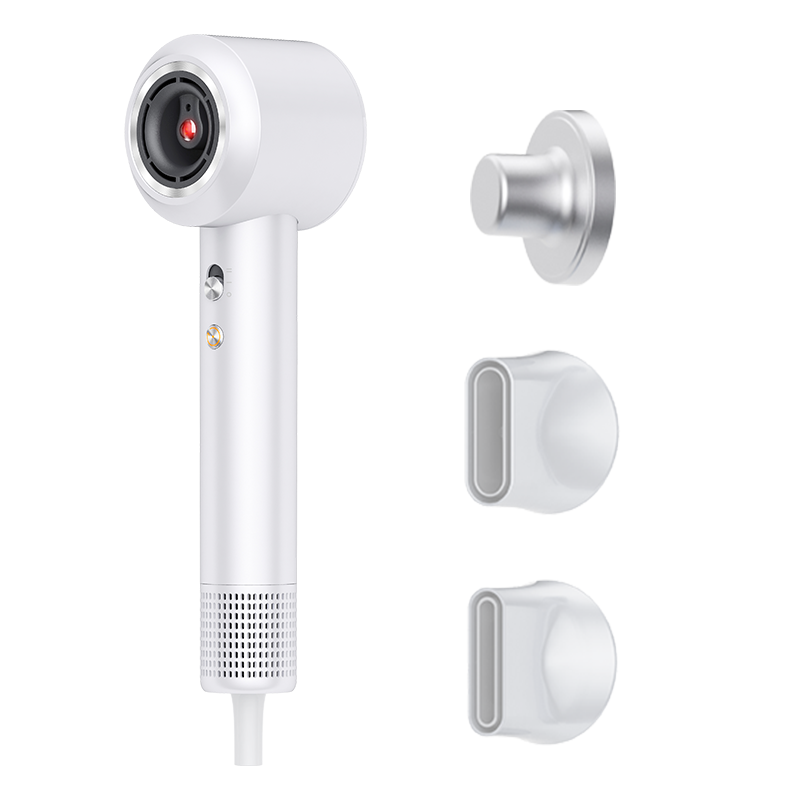
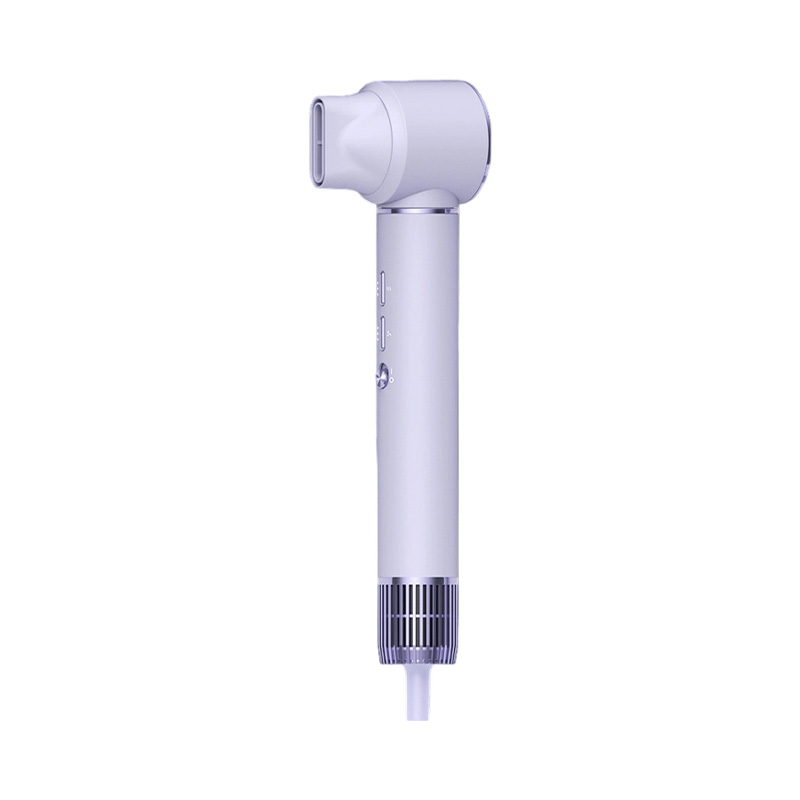
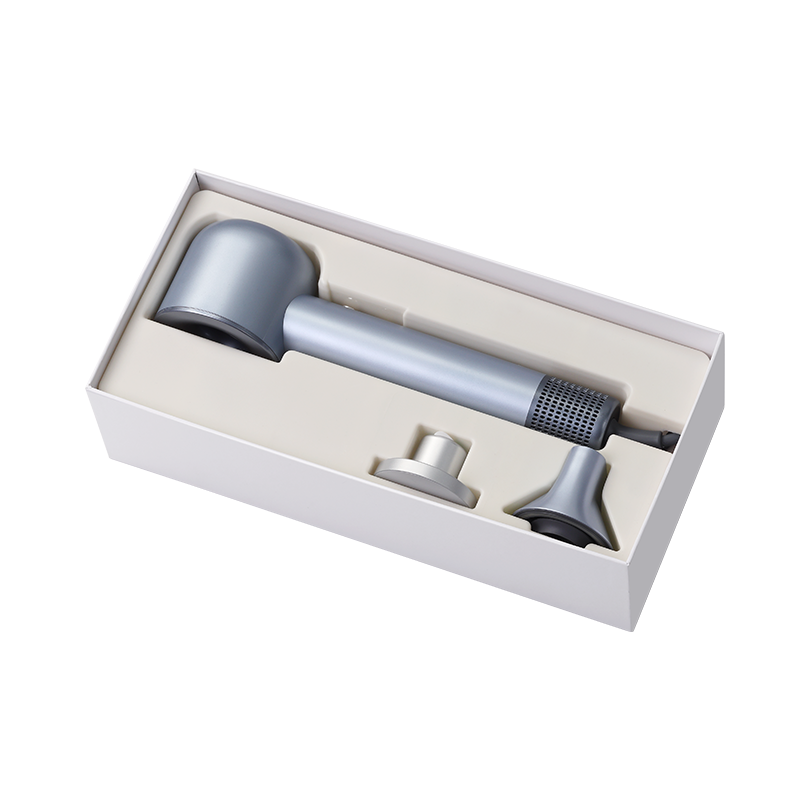 Secador de pelo de alta velocidad ajustable con múltiples velocidades KH-801A Con un potente motor y un funcionamiento silencioso, este secador genera un fuerte flujo de aire con 200 millones de iones negativos. Se alinea con la discusión sobre la velocidad del motor sin escobillas y tiempos de secado más rápidos en comparación con los modelos convencionales. Ver producto →
 Tecnología de motor: sin escobillas de alta velocidad frente a convencional
El motor es el corazón de cualquier secador de pelo y los motores de CC sin escobillas más nuevos funcionan en un rango completamente diferente al de los motores de CA convencionales. Un motor de CA tradicional gira a unas 25.000 revoluciones por minuto, lo que es suficiente para un secado normal, pero limitado cuando se necesita un levantamiento rápido de las raíces. Un motor de CC universal alcanza aproximadamente 35.000 rpm. Sin embargo, un motor sin escobillas de alta velocidad puede superar las 100.000 rpm y el aire que empuja a través de una boquilla estrecha tiene una velocidad y presión mucho mayores.
Esta actualización del motor cambia la experiencia de explosión de varias maneras. La secadora suele ser más ligera porque los motores sin escobillas son compactos, por lo que se reduce la fatiga del brazo. También es más silencioso al mismo nivel de flujo de aire, lo cual es importante en el ambiente de un salón. Por último, los motores sin escobillas tienen menos piezas de fricción, lo que contribuye a una vida útil más larga, una consideración importante para uso profesional o para crear una línea de productos basada en hardware confiable.
Comparación de velocidad del motor
El gráfico de columnas a continuación ilustra la diferencia de velocidad del motor entre tres plataformas de secadora comunes. Los motores de CA tradicionales giran a aproximadamente 25.000 rpm, mientras que los motores de CC universales alcanzan cerca de 35.000 rpm. Los motores Brushless de alta velocidad, por el contrario, funcionan en el rango de 100.000 rpm, por lo que a menudo se los describe como una categoría de producto separada. Una mayor velocidad del motor se traduce en más aire forzado a través de la boquilla a mayor velocidad, lo cual es la clave para explosiones más rápidas. Tenga en cuenta que las rpm por sí solas no determinan la calidad del secado; el diseño del impulsor, la forma de la boquilla y la cámara de calentamiento contribuyen. Aún así, la brecha de ingeniería visible aquí explica por qué las secadoras de alta velocidad se sienten dramáticamente diferentes en el uso diario.
Accesorios y boquillas: la caja de herramientas de soplado
Incluso el motor más potente no puede producir una explosión nítida sin los accesorios adecuados. Una boquilla concentradora estrecha enfoca el flujo de aire y le permite seguir el cepillo desde la raíz hasta la punta con un movimiento controlado. Un difusor es esencial para el cabello rizado y texturizado, porque distribuye el aire y reduce la alteración del patrón natural. Los accesorios de peine ayudan a alisar el cabello mientras se seca y son particularmente útiles para introducir tensión en la raíz. Muchas secadoras de alta velocidad se envían con un juego de boquillas y cepillos magnéticos, y algunos modelos multifunción combinan varias herramientas en un solo paquete. la cuestión de ¿Puede un secador de pelo realmente satisfacer todas tus necesidades de peinado? es exactamente lo que estos diseños todo en uno intentan responder. Cuando compare secadoras, cuente los accesorios y mida la apertura de la boquilla, porque las boquillas estrechas con un interior liso producen el flujo de aire más preciso para las secciones de soplado.
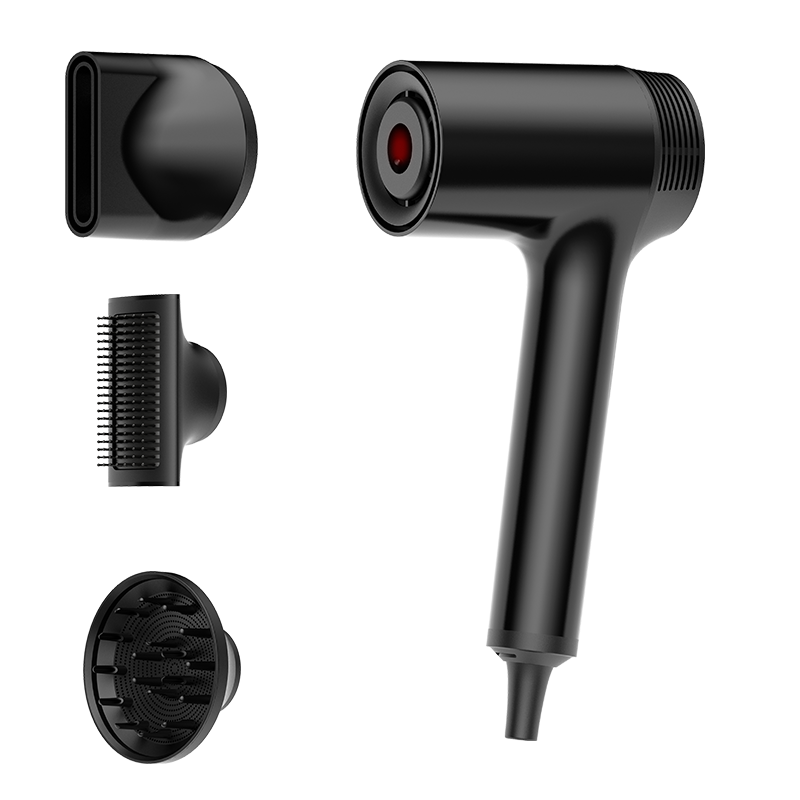
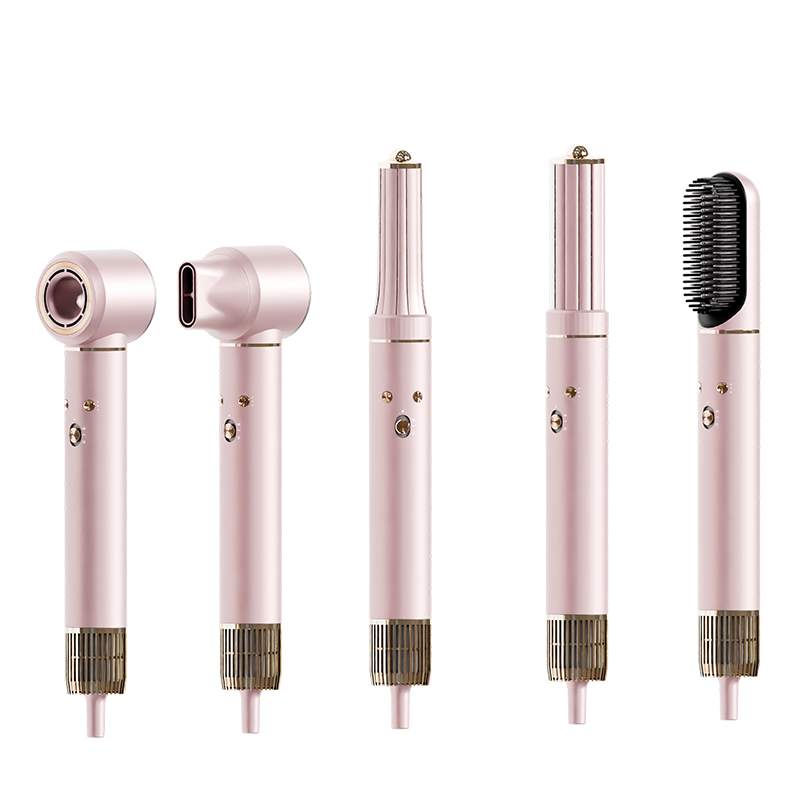
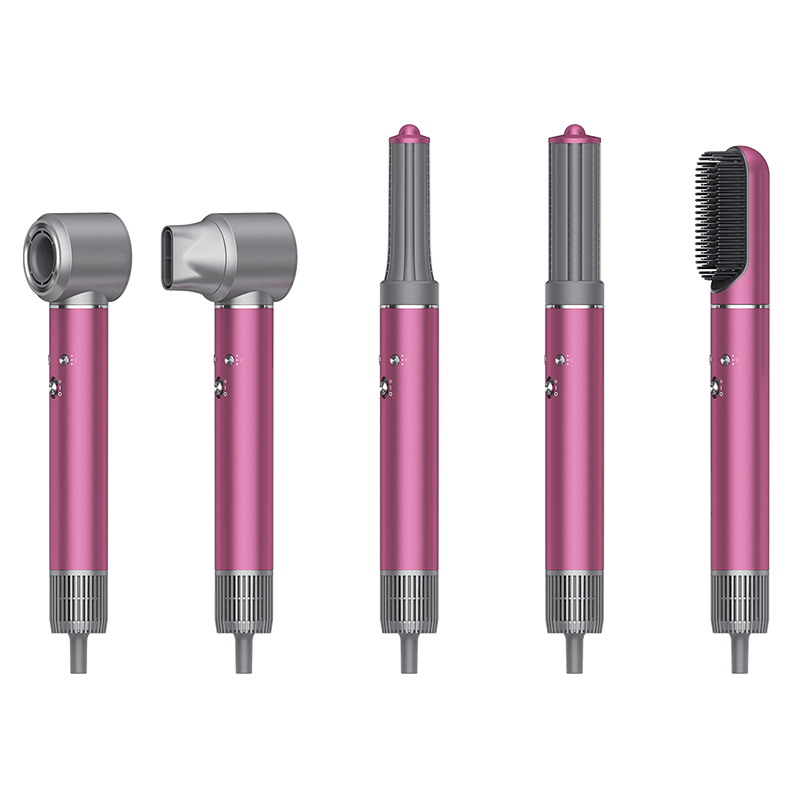
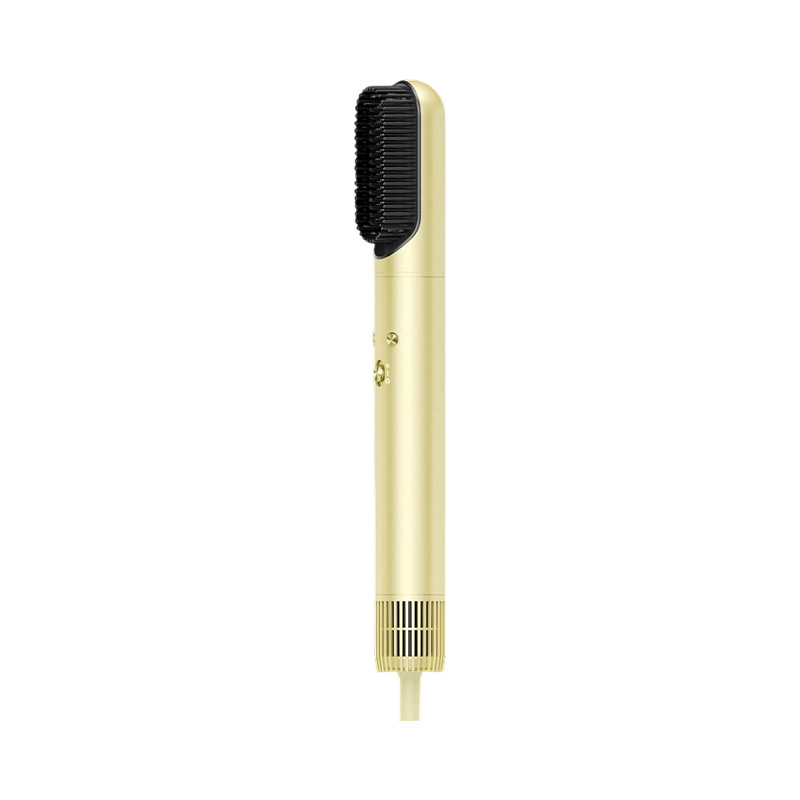 Secador de pelo multifuncional KH-802A 18 en 1 con 18 accesorios Esta secadora todo en uno incluye 18 accesorios intercambiables para secar, peinar y alisar, con velocidad y temperatura ajustables. Aborda la necesidad de una variedad de boquillas y un control preciso del flujo de aire resaltado en el texto circundante. Ver producto →
 Estabilidad térmica: el factor oculto en la longevidad de la explosión
El control de la temperatura suele ser la especificación menos visible pero más influyente en una secadora de soplado. Cuando la temperatura de salida varía, cada pasada del cepillo expone el cabello a una condición diferente y la cutícula responde levantándose, lo que crea frizz y acorta la vida del peinado. Los termostatos mecánicos en las secadoras convencionales tienden a encender y apagar el elemento calefactor, provocando ondas de temperatura notables. Los sistemas basados en termistores, por el contrario, miden la temperatura continuamente y ajustan la potencia en tiempo real. La mayoría de las secadoras premium ahora utilizan esta estrategia de calentamiento más inteligente y es una de las primeras características que verifica un profesional antes de elegir una secadora.
Temperatura de salida durante cinco minutos
El siguiente gráfico de líneas rastrea la temperatura de salida en la configuración de calor máxima durante una sesión de soplado de cinco minutos. La línea dorada representa una secadora básica con un termostato mecánico, que oscila entre aproximadamente 78 grados C y 98 grados C en un patrón irregular. La línea gris representa un secador inteligente con control de temperatura que mantiene la salida cerca de 75 grados C durante el mismo período. Estos cambios son importantes porque la cutícula reacciona a los cambios repentinos de calor levantándose, lo que provoca frizz y falta de brillo. Una temperatura de salida estable también es más fácil de predecir para el estilista, por lo que el acabado se mantiene constante desde la nuca hasta la coronilla. Es por eso que el control inteligente de la temperatura es una de las funciones más solicitadas en los secadores profesionales.
Comparación de funciones: secadora inteligente estándar versus de alta velocidad
Para reunir las diferencias, un gráfico de radar es una forma útil de comparar el equilibrio general de un producto. Muestra de un vistazo qué atributos obtienen una buena puntuación y cuáles pueden decepcionar. En esta comparación, ambas secadoras reciben una puntuación de 1 a 10 en cinco atributos que afectan la realidad diaria de realizar reventones.
La comparación de radar anterior evalúa un secador estándar y un secador inteligente de alta velocidad en cinco atributos que afectan directamente el rendimiento de la explosión. El modelo de alta velocidad obtiene una puntuación más alta en flujo de aire y precisión de calor, lo que refleja una mayor potencia del motor y un control de temperatura basado en termistores. También destaca por su diseño ligero y funcionamiento silencioso, que reducen la fatiga del brazo durante largas sesiones de peinado. La puntuación de versatilidad de los accesorios es más alta porque los secadores multifunción de alta velocidad generalmente se envían con un juego completo de concentradores, difusores y accesorios de peine. Incluso en el eje más débil, el modelo de alta velocidad mantiene una ventaja visible sobre la secadora estándar, y el área sombreada más grande hace que sea fácil ver por qué muchos estilistas han cambiado. Cuando comparas formas en un gráfico de radar, el objetivo no es perseguir un círculo perfecto, sino que cada puntuación se sitúe en o por encima del nivel que coincida con tu flujo de trabajo de explosión.
Especificaciones clave de un vistazo
La siguiente tabla resume las diferencias típicas entre una secadora estándar y una secadora inteligente de alta velocidad. Estas son categorías generales; Los números reales varían según el modelo y la marca.
| Característica | Estándar dryer | Inteligente de alta velocidad dryer |
|---|---|---|
| tipo de motor | CA o CC universal | CC sin escobillas |
| Velocidad del motor | 25.000 a 35.000 rpm | hasta 110.000 rpm |
| control de calor | Termostato mecánico | Termistor con microchip |
| Peso típico | 450 a 700 gramos | 350 a 500 gramos |
| Adjuntos | Boquilla básica y difusor. | Juegos de peine y boquilla multifunción |
Lista de verificación de compra para su próximo secador de pelo
Utilice esta lista de verificación cuando compare modelos, ya sea que compre para un salón o especifique un producto para su propia marca.
- Confirme las especificaciones de velocidad del aire en lugar de confiar únicamente en la potencia.
- Busque al menos tres configuraciones de calor y dos configuraciones de velocidad
- Compruebe si la temperatura está regulada por un termistor.
- Verifique que la boquilla concentradora sea lo suficientemente estrecha y larga para trabajar sección por sección
- Considere el nivel de ruido, especialmente para el uso profesional diario.
- Pese la secadora en su mano; El equilibrio importa tanto como el peso total.
- Verifique la longitud del cable, porque los cables cortos hacen que las explosiones sean más lentas
- Enumere todos los accesorios que necesita y compare los anchos de las boquillas y los tipos de peine
La conclusión
El mejor secador de pelo para reventones no es el que tiene mayor potencia o la marca más cara. Es el que combina una fuerte velocidad del aire, una temperatura estable, accesorios útiles y un manejo cómodo. Los modelos sin escobillas de alta velocidad han remodelado la categoría porque ofrecen todas estas cualidades en un cuerpo más liviano y se han convertido en el punto de referencia tanto para los estilistas profesionales como para los fabricantes que crean productos premium. Si está comprando secadoras para distribución minorista o OEM, evalúe estos criterios cuidadosamente y solicite especificaciones detalladas de flujo de aire y calefacción a su proveedor.
Comience con las especificaciones, pruebe la distribución del peso y preste atención a cómo se comporta la secadora durante una sesión de cinco minutos. La elección correcta hará que los peinados sean más rápidos, más suaves para el cabello y notablemente más consistentes.
 Anterior

 +86-574-63982198
 +86-574-63982197
 No. 933, Lingxu 2nd Road, Zona de Desarrollo Económico de Binhai, Cixi, Zhejiang, China.